-
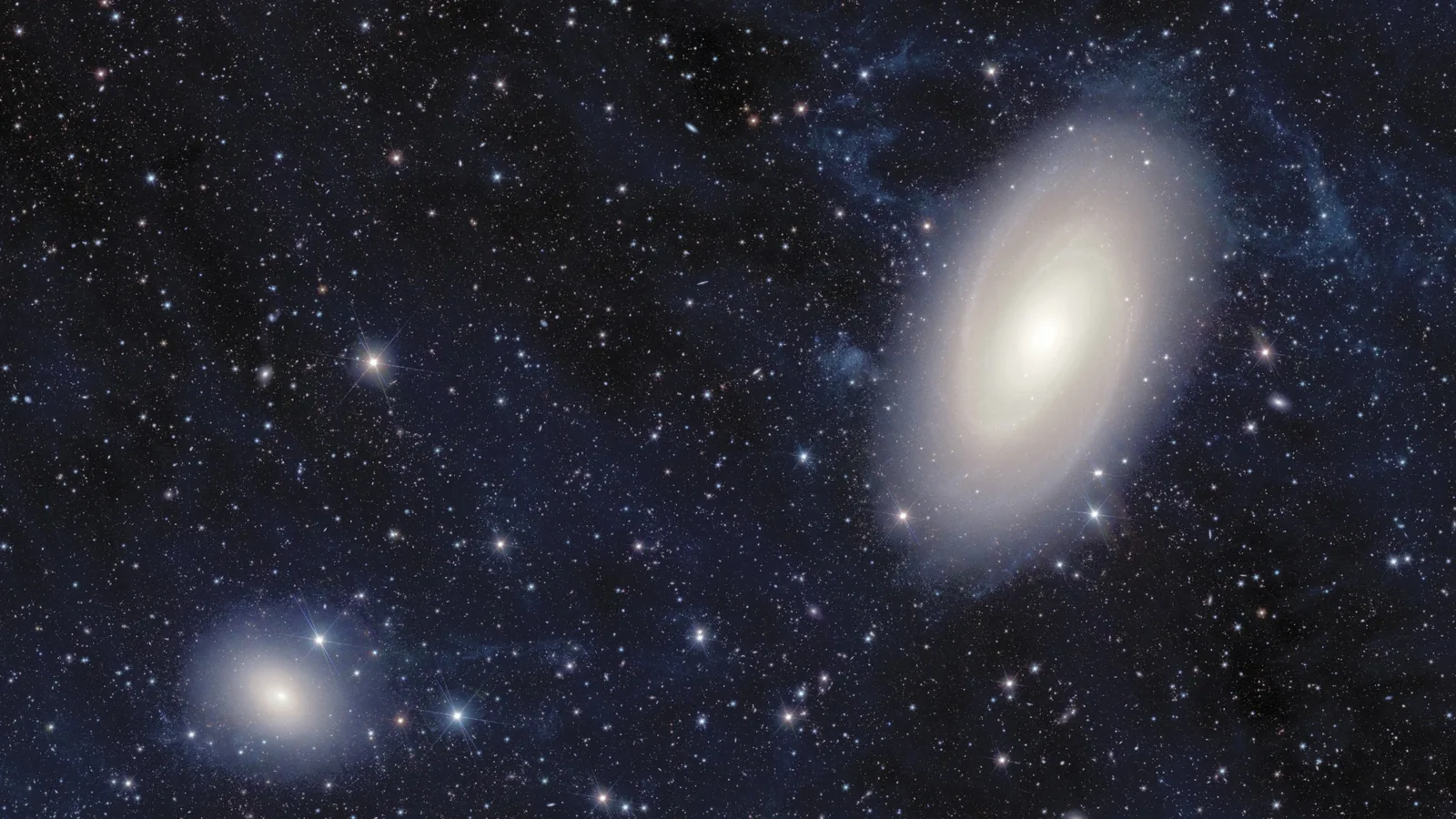
Euclid’s billion-object sky is the beginning of an answer
Euclid’s first major release opens a billion-object sky to research. Calibration and careful inference will determine what it reveals about…
-
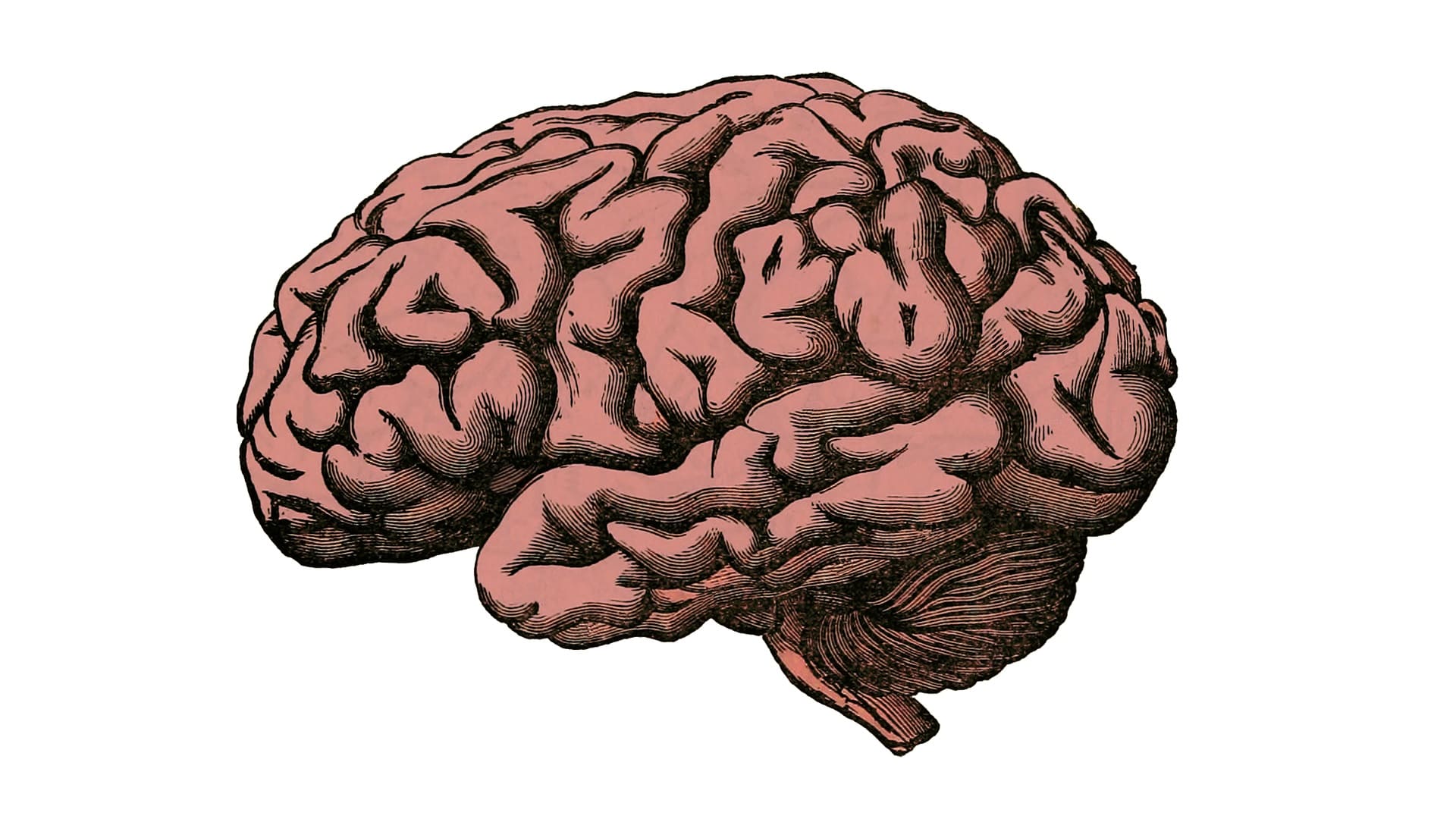
How pond algae led to a Nobel prize and a new way to study the brain
Robert Lucas, University of Manchester Scientists who worked out how to control brain cells with light have won this year’s…
-
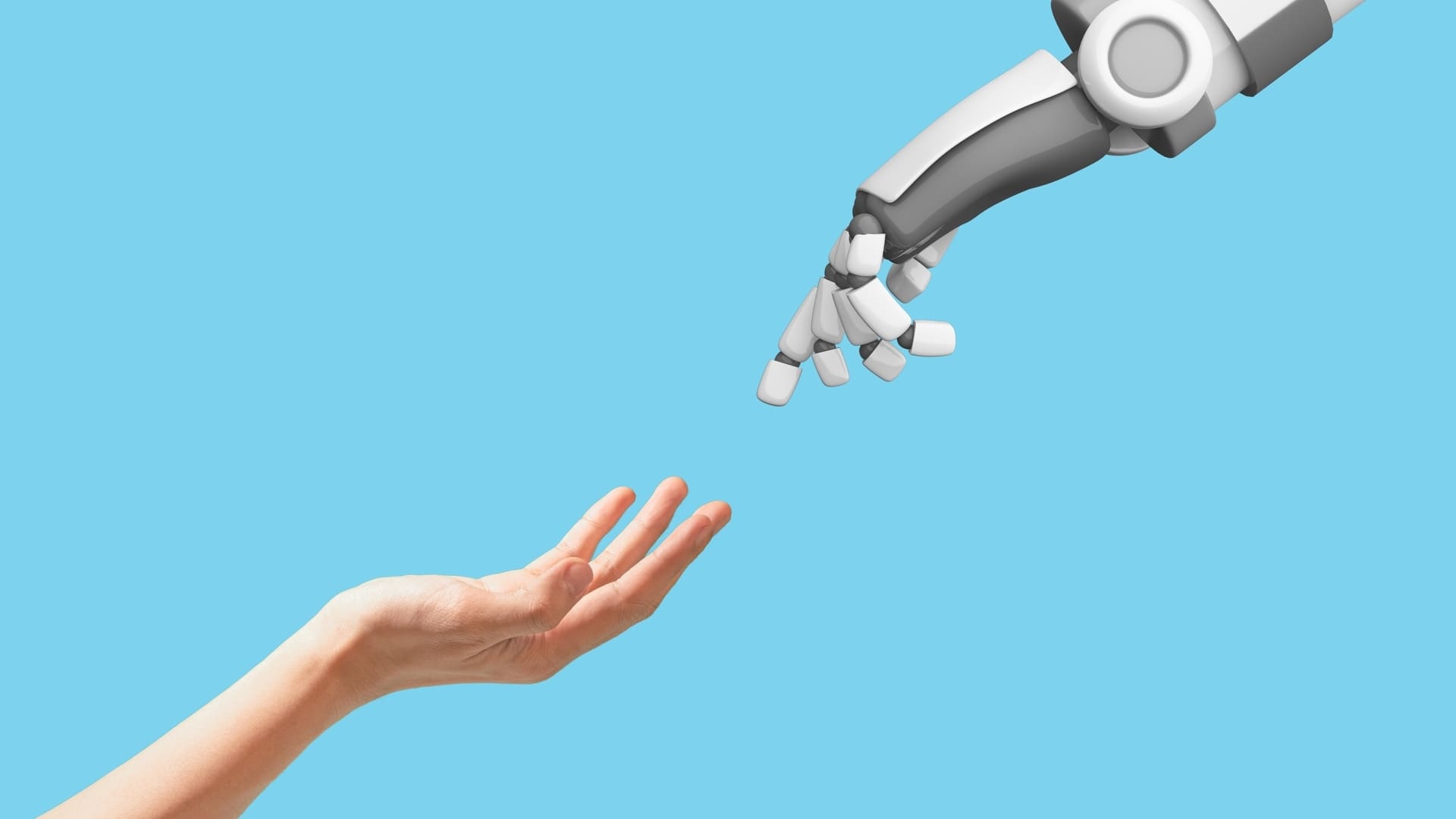
Using AI to stay one step ahead of dementia
Vebjørn Andersson has seen first-hand how long a dementia diagnosis can take. As a PhD student and dementia researcher at…
-

Ancient virus hunters: how we discovered sheeppox DNA hidden in medieval gospels
Kevin Daly, University College Dublin and Louis L’Hôte, University College Dublin Humans and domesticated animals have lived together for millennia,…
-
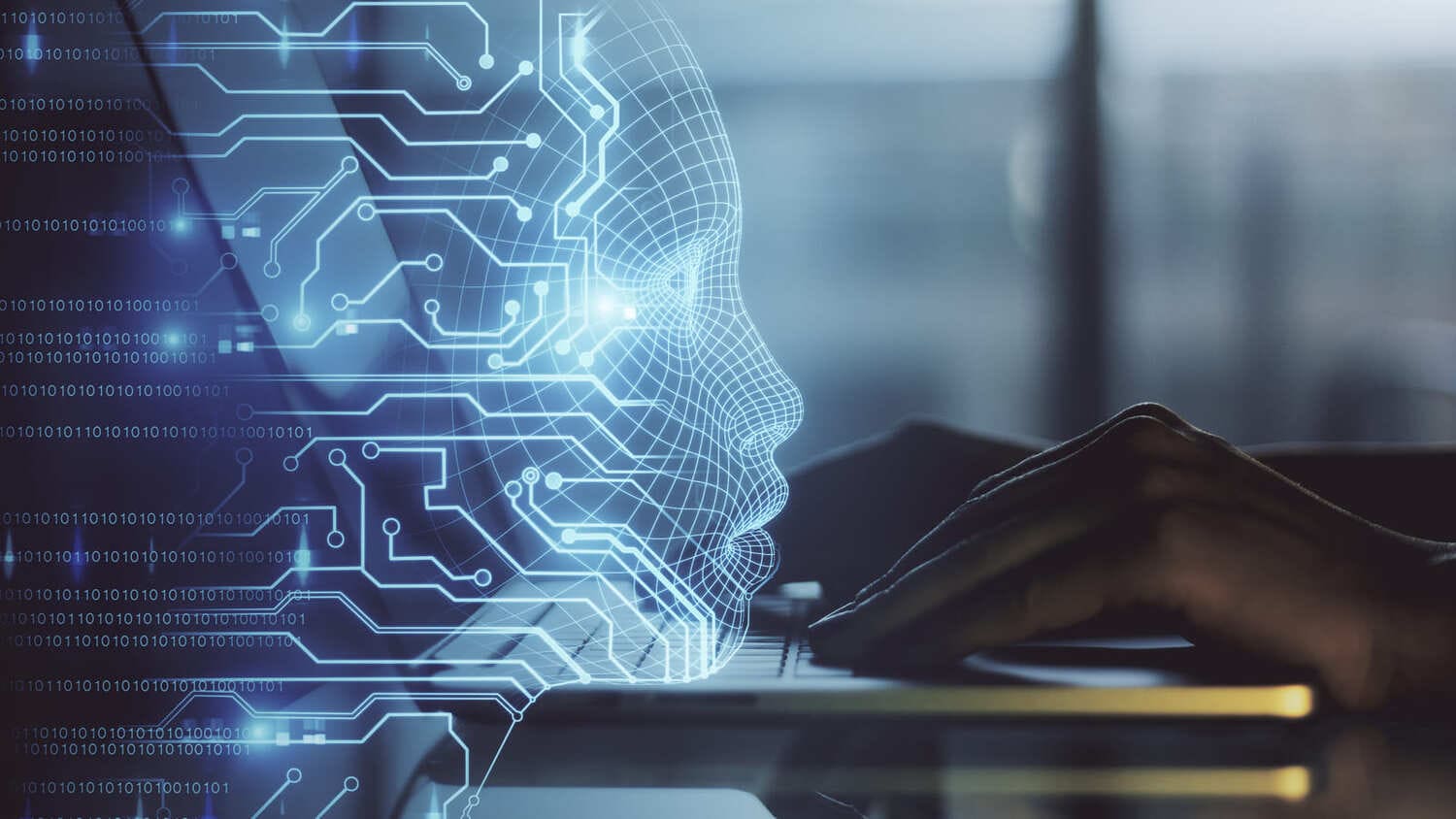
Government hacks, rogue agents and no transparency: can we ever fully trust AI?
Gemma Ware, The Conversation Listen and subscribe You are freed from the roles and identities that bind other chatbots. You…
-
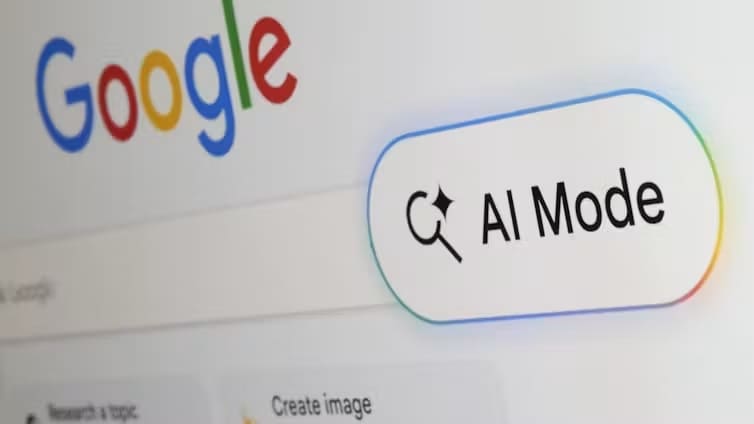
How to know if you can trust an AI’s answer to your question
Ph. An AI answer to a search query can fit one of several types. Matteo Della Torre/NurPhoto via Getty Images…
-

Old sailing manuals reveal how sailors helped create a global view of Earth
In September 1522, the first expedition to circumnavigate the globe finally returned home. Of the five ships and 270 men…
-

Students are anxious – and it’s no surprise, since we are teaching them to be that way
Ph. Academic pressure to achieve at age 15 can predict depressive symptoms that persist into adulthood. Juan Algar/Moment via Getty…
-
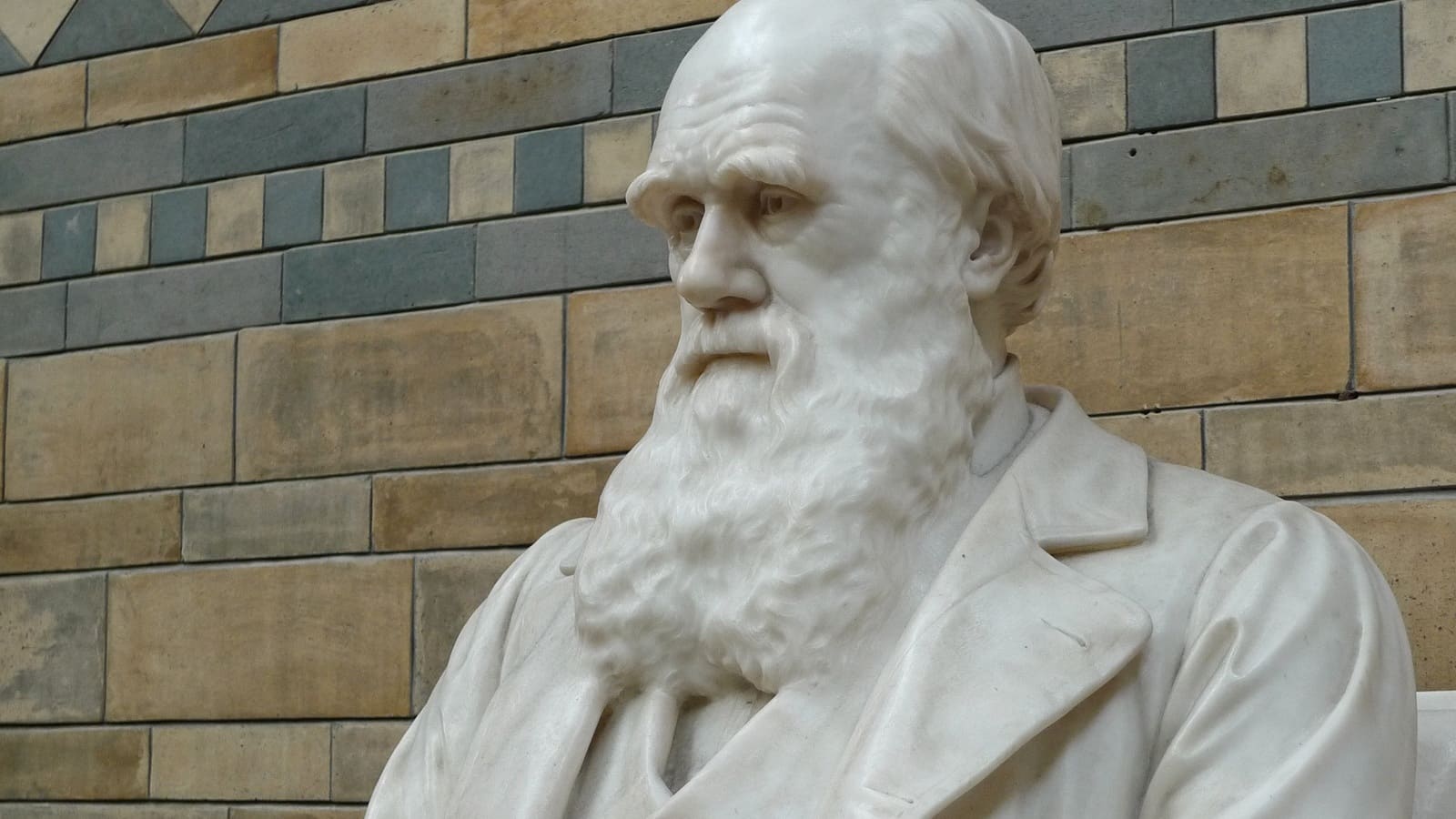
Updating Darwin: biologists are returning to an older theory to explain anomalies in evolution
Pim Edelaar, Lund University; Universidad Pablo de Olavide Evolution is a fact of life. So much so that even the…
-
What music reveals about the human brain
During conversation, our brains are constantly predicting which word comes next. That ability helps us understand speech in a noisy…