-
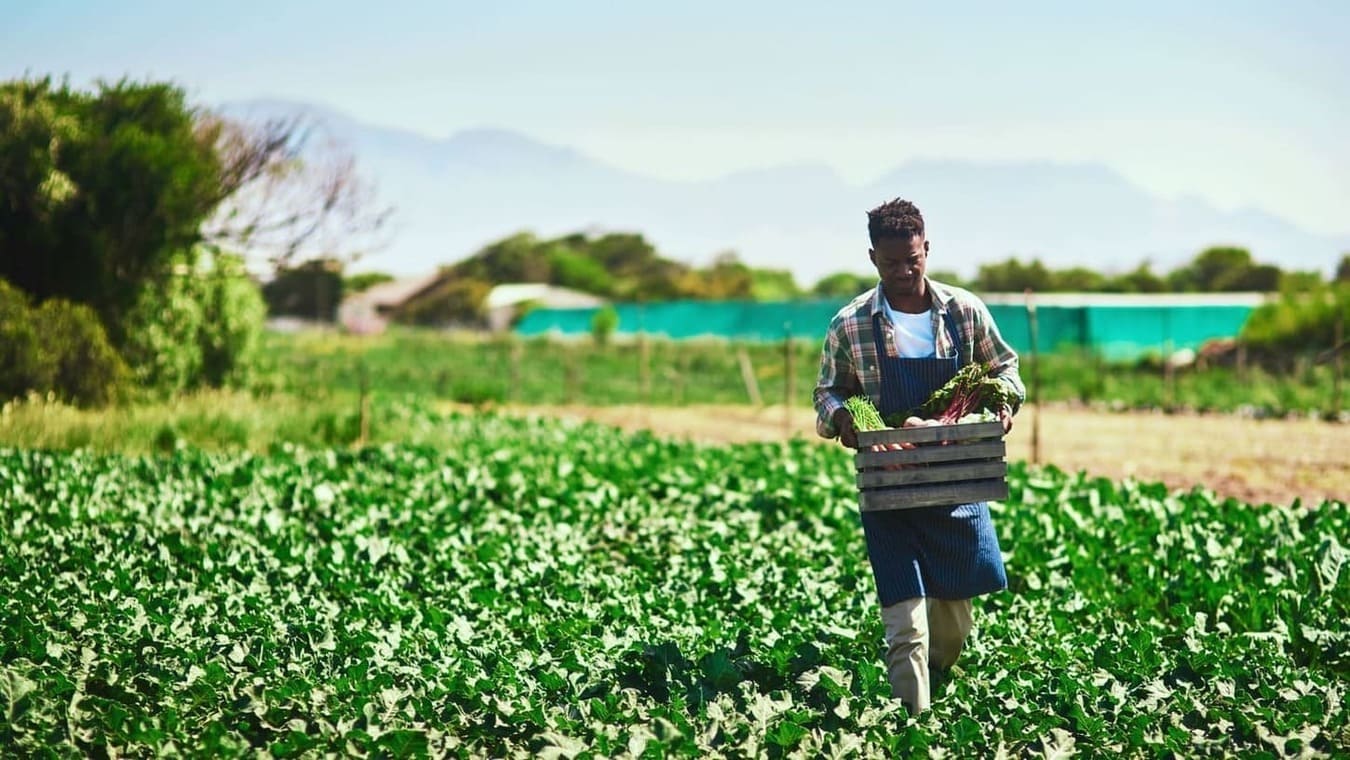
Climate shocks are hitting South Africa’s food businesses – study shows what they need to adapt
Adrino Mazenda, University of Pretoriaù Climate change discussions in southern Africa often focus on farming, where the effects of environmental…
-

Just 1% of coastal waters could power a third of the world’s electricity – but can we do it in time?
Aleh Cherp, Central European University; Jessica Jewell, Chalmers University of Technology, and Tsimafei Kazlou, University of Bergen Just 1% of…
-
Only 3 years left – new study warns the world is running out of time to avoid the worst impacts of climate change
Piers Forster, University of Leeds and Debbie Rosen, University of Leeds Bad climate news is everywhere. Africa is being hit…
-
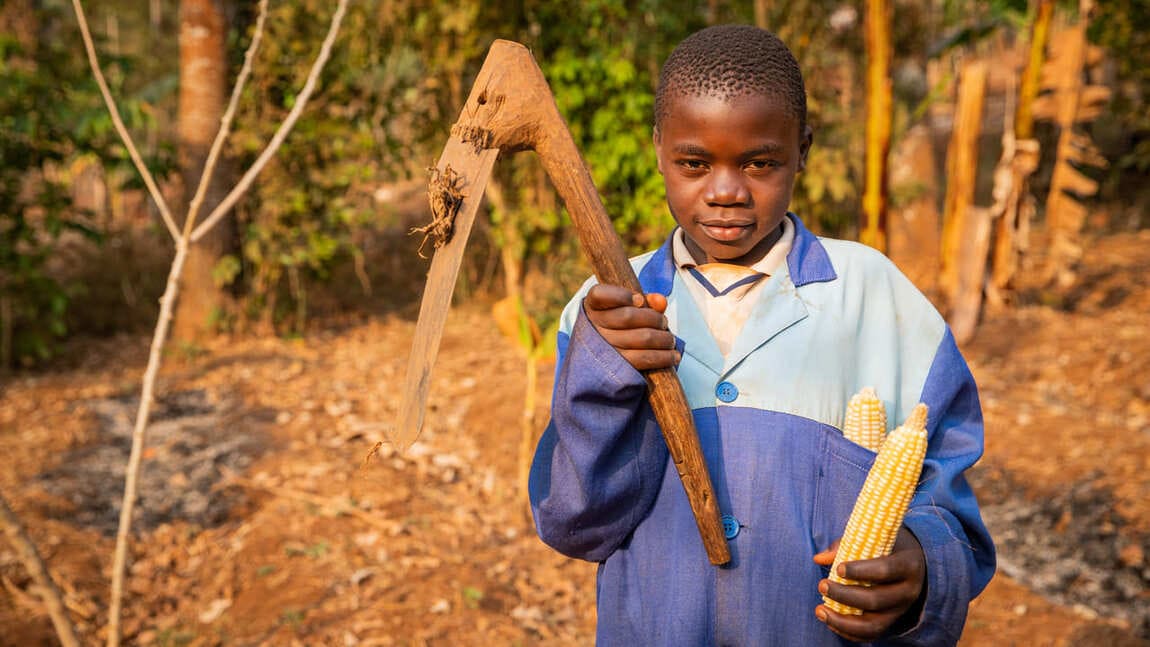
Child labour numbers rise in homes where adults are jobless – South African study
Derek Yu, University of the Western Cape and Simbarashe Murozvi, University of the Western Cape Child labour is a big…
-

Bacteria and plants could help clean up toxic waste from gold mines – South African study
Alseno Kagiso Mosai, University of Pretoria and Hlanganani Tutu, University of the Witwatersrand Highly toxic metals are leaking out of…
-
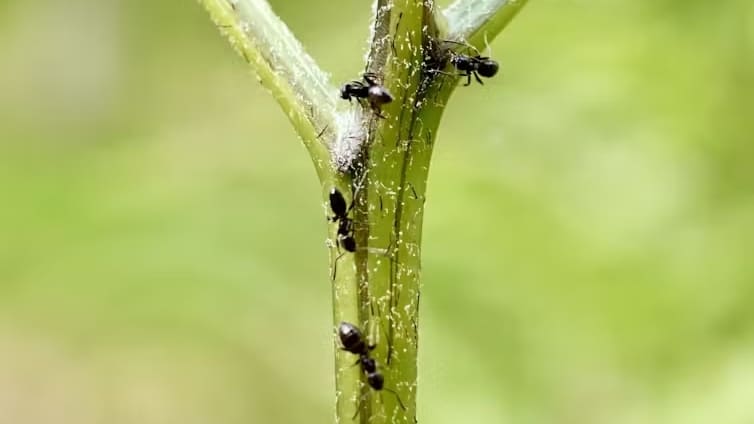
Ferns and flowers bribe helpful ant defenders with nectar, but ferns developed this ability much later – our study shows why
ph. Ants foraging for nectar on a Bracken fern (Pteridium aquilinum). Jacob S. Suissa, CC BY-ND Jacob S. Suissa, University…
-
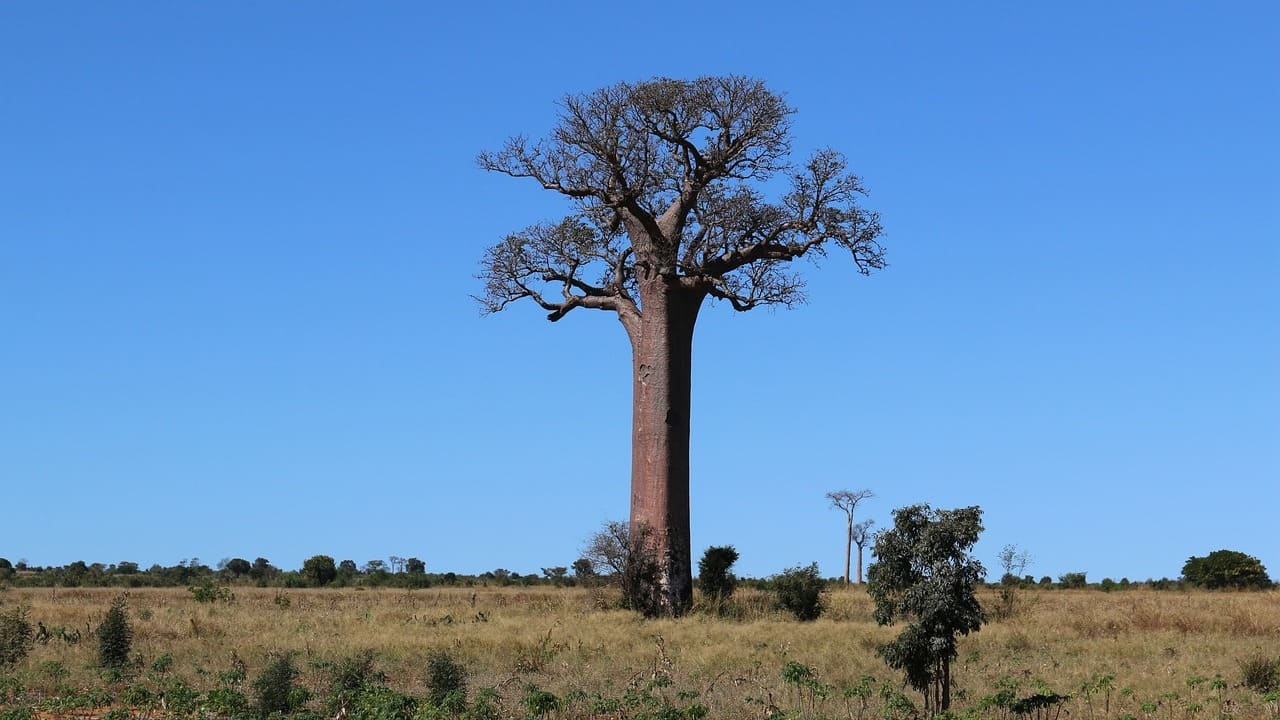
Baobab trees all come from Madagascar – new study reveals that their seeds and seedlings floated to mainland Africa and all the way to Australia
Andrew R. Leitch, Queen Mary University of London There are eight species of baobab in the world, and they have…
-

Africa’s PhDs: study shows how to develop strong graduates who want to make a difference
Sharon Fonn, University of the Witwatersrand and Marta Vicente-Crespo The challenge for universities is to produce graduates who can work…
-

Over 80% of the EU’s farming subsidies support emissions-intensive animal products – new study
ph. Jolanda Aalbers / Shutterstock Anniek Kortleve, Leiden University; Helen Harwatt, Harvard University; José Manuel Mogollón, Leiden University, and Paul…
-
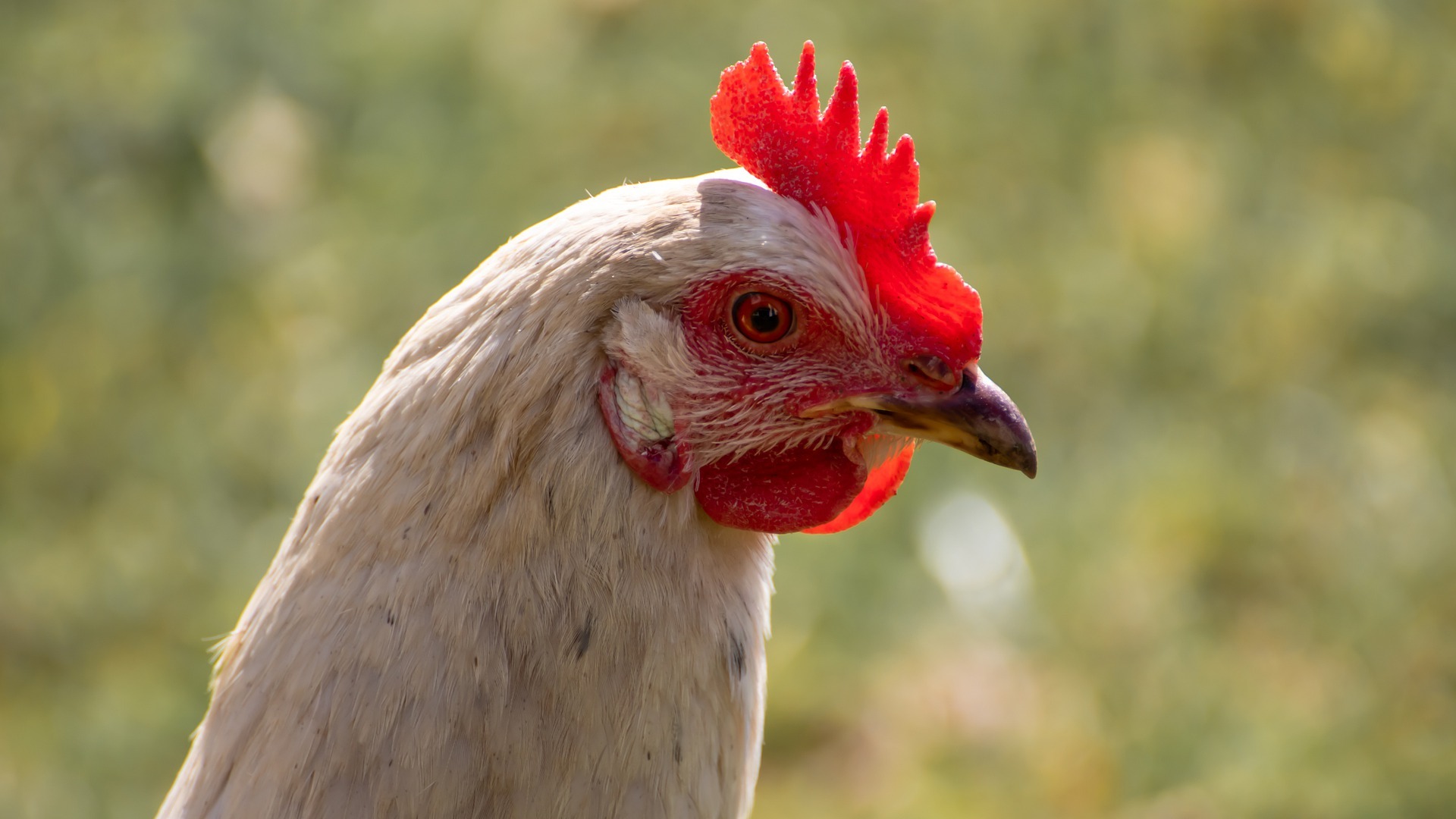
Bird flu could be eradicated by editing the genes of chickens – our study shows how
Alewo Idoko-Akoh, University of Bristol Recent advances in gene editing technology could potentially be used to create disease-resistant animals. This…