-

Why Africa – and the world – remain dangerously unprepared for the next pandemic
Oyewale Tomori, Nigerian Academy of Science As the news spread about the outbreak of Ebola in mid-May 2026, the World…
-
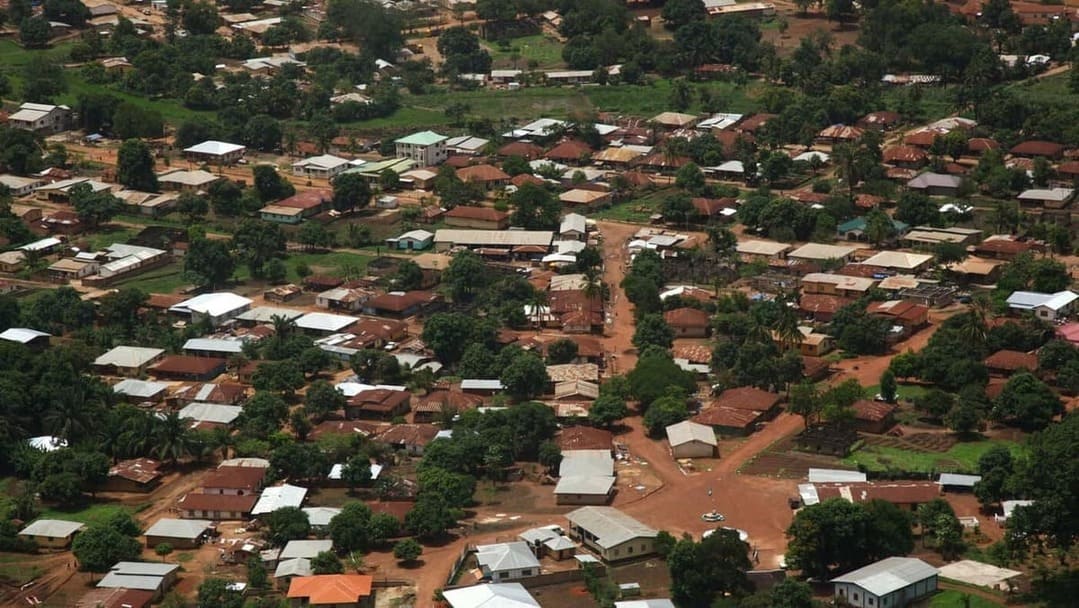
Ebola outbreak in the DRC: four reasons it will be hard to contain
Jia B. Kangbai, Njala University By the second week of the latest Ebola outbreak in the Democratic Republic of Congo…
-
US exit from the World Health Organization marks a new era in global health policy – here’s what the US, and world, will lose
The U.S.-WHO collaboration has been critical in the country’s response to mpox, shown here, as well as Ebola, Marburg, flu…
-
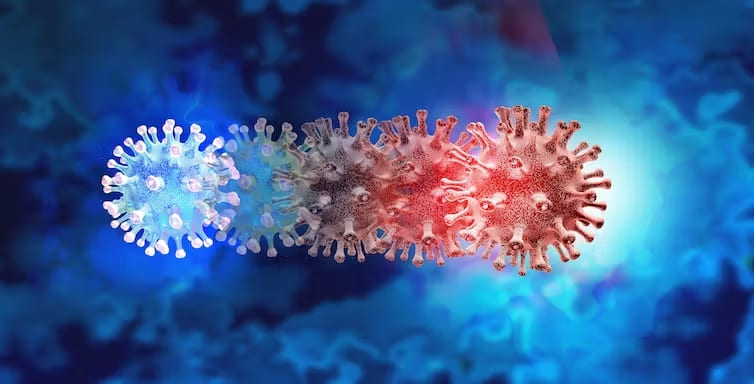
The emergence of JN.1 is an evolutionary ‘step change’ in the COVID pandemic. Why is this significant?
ph. Lightspring/Shutterstock Suman Majumdar, Burnet Institute; Brendan Crabb, Burnet Institute; Emma Pakula, Burnet Institute, and Stuart Turville, UNSW Sydney Since…
-
COP28: Why going beyond net zero is necessary to protect public health
The 28th United Nations Climate Change Conference of the Parties – COP28 – starts in late November in Dubai. With the…
-

Assessment of work-related stress and burnout among clinical research occupations
Burnout syndrome is included by the World Health Organization (WHO) in the International Classification of Diseases, and it has a…
-

Three years on, the COVID pandemic may never end – but the public health impact is becoming more manageable
Antonie S/Shutterstock Michael Head, University of Southampton Three years ago, on March 11 2020, World Health Organization (WHO) director-general Tedros…
-
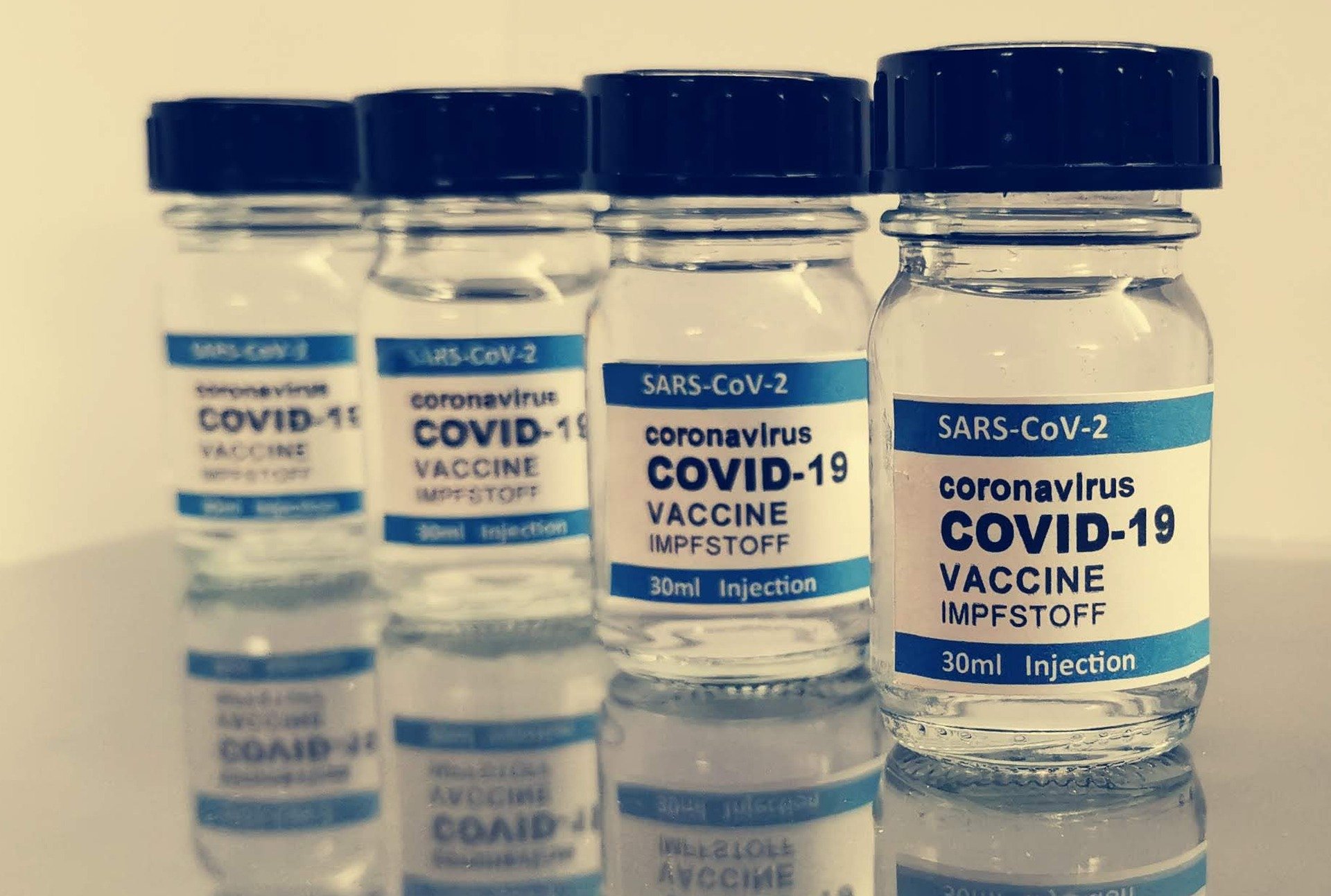
The effects of virus variants on COVID-19 vaccines
This article is part of a series of explainers on vaccine development and distribution. Learn more about vaccines – from…